


Minmahaw School
Minmahaw School is a post-secondary boarding school in Mae Sot, Thailand, for underprivileged youth from Myanmar (ages 17–23). Students come from migrant schools and refugee camps, and study a mix of academic and vocational subjects in an immersive English environment. The school provides a rare chance for higher education, critical thinking, and preparation for future studies or work.

What We Do
We offer students the chance to explore filmmaking and media as both a form of self-expression and a possible future profession. With cameras and editing tools in hand, they learn to tell stories, reflect on themes that are often only seen in fiction, and step into new worlds beyond their daily reality. At the same time, they gain guidance and skills that show them media and film are not only creative outlets, but also meaningful and valid career paths.
Vocational Training 2024-25: Minmahaw Documentary
In this course, students learned how to create a documentary step by step, from planning to interviewing to filming and editing. The final film brings together footage from all our past years at Minmahaw alongside new material and interviews from this class, becoming a collective portrait of life at Minmahaw.
Screenings for Peace


In collaboration with the Civil Peace Service, Minmahaw integrated peace trainings as part of their new curriculum. As a follow up, we hosted a series of movie nights for the students. The films connected to topics from their peace training and gave them a different way to reflect on ideas like violence, identity, and transformation. These evenings often opened the door to honest and meaningful discussions.
Vocational Training 2023-24 – Action Short Film
This project gave the students a chance to dive into fiction by making a Muay Thai action short film. They explored how to stage and shoot dynamic fight scenes while also discovering the fun and challenges of working with action storytelling.
Power and Privilege: Storytelling Through Photography
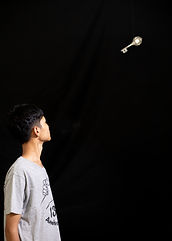
Our next follow up project for the students' peace training was through photography. In this project, students used photography to explore ideas of power, privilege, and perspective. They learned how to frame a story through images, capturing both their own experiences and the world around them. The process gave them a creative way to reflect and express ideas that might be hard to put into words.
.jpg)
.jpg)
.jpg)
.jpg)
.jpg)
.jpg)
.jpg)
.jpg)
.jpg)
.jpg)
.jpg)
.jpg)
.jpg)
.jpg)
.jpg)
.jpg)
.jpg)
.jpg)
.jpg)
.jpg)
Vocational Training 2022-23 - Filmmaking for Peace – Video Art
Video Art
Behind the Scenes
This project was our first follow-up of the newly integrated peace training. Here, students experimented with film in a more artistic and abstract way. Using ideas from their peace training, they created a video art piece that explored conflict, identity, and hope, expressing these themes visually rather than through words.
Vocational Training 2029-2020 – Drama/Horror Short Film
Students created a short fictional film blending horror and drama. It was their first deep dive into genre filmmaking, where they learned how to build suspense, atmosphere, and tension through camera work and storytelling.
Vocational Training 2018- 2019 – Music Video
This year's training focused on music videos. Students explored how rhythm, visuals, and sound could work together, and discovered how film can feel almost like music itself. The final piece was full of energy and creativity.
Minmahaw Video Art 2017-2018
For this project, the students wrote a poem about Minmahaw in a creative, abstract way. Then they used existing footage of the school to bring the poem to life, turning words and images into a unique visual piece that reflects their experience.
Filmmaking Elective
As part of a short four-week elective, students received an introduction to filmmaking. Even in this brief time, they managed to produce several short films and gain practical experience with cameras and story structure. The course gave them a taste of filmmaking that many wanted to continue exploring.